Hello friends — I’ve created myself a Tumblr site and moved on over:
LevinofEarth.com
Come visit me there.

May 29, 2014
by Benjamin Parzybok
0 comments
Hello friends — I’ve created myself a Tumblr site and moved on over:
Come visit me there.
May 11, 2014
by Benjamin Parzybok
0 comments
As I mentioned – I have a piece in the fantastic new speculative-historical-fiction anthology, Long Hidden, called The Colts.
The Colts is about a nearly-successful peasant revolt in the early 16th century. During the crusades the Pope ordered Christian kingdoms to fulfill strict quotas of people sent down to fight against the Muslims. And at the tail-end of the crusades, these people were inevitably the farmers and workers and lowest classes who were sent down to die, against an enemy they knew practically nothing about, for reasons that were not at all clear.
(Thank goodness we don’t have wars like that anymore! ack)
 György Dózsa was commissioned to lead this makeshift army. He had little time to give them training, and the people he was charged with training were barely provided for (neither food nor weapons) while their own farms languished during the harvest, and the nobility took control of their lands. It was a miserable situation, and Dózsa knew it. Dózsa attempted to lobby the nobility many times, but the pleas fell on deaf ears. He came to intimately understand where the real conflict was. The only thing that could be done was to turn that army around to seek justice for them.
He did so — and was nearly successful, taking back half the country — until he was captured and horribly tortured. To this day he is considered a martyr and hero in Hungary.
While I kept my story mostly historically accurate, there’s one major difference. The narrative viewpoint is from those 99%-er Zombies, the working class who died in the revolution.
It was a pleasure working with editors @rosefox and @djolder during the process, and it’s been a thrill watching the buzz on its first weekend. Kudos on a spectacular launch. It’s deserved, the other stories are amazing. You can buy a copy of Long Hidden here
March 18, 2014
by Benjamin Parzybok
0 comments
“Let us hope it’s not a trick. I always leave with this feeling I am tricked. What if I believe in this, just because it’s beautiful. What if — yes.”
— Stanford professor Andrei Linde, on the living with the doubt about his Inflationary Universe Theory, which was proved yesterday.
I love this video. Also of note is that Andrei Linde’s wife, Renata Kallosh, is also a well-known theoretical physicist who has made significant contributions to string theory. Power couple!
March 5, 2014
by Benjamin Parzybok
2 Comments
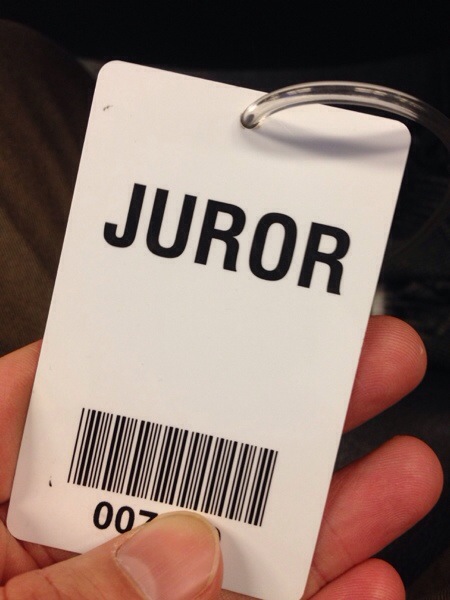
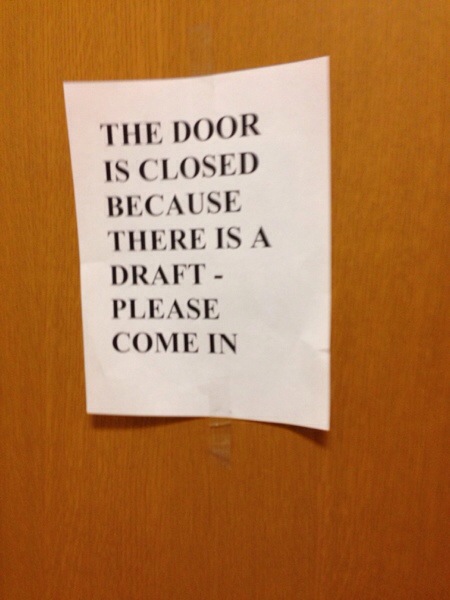
Otherwise known as the opportunity to read uninterrupted for two days.
Really though, I’ve always wanted jury duty and it has seemed some unfair lottery that 2+ decades have gone by since I became the legal age to be an arbiter and haven’t been called once. Therefore, I am taking the job very seriously and have arrived in a cape, and the hat with the weighty scale of justice affixed to the top, for good measure.

January 31, 2014
by Benjamin Parzybok
0 comments
I’m really excited to have a short story in the anthology The Long Hidden, as I was incredibly taken with the idea the moment they announced their very successful Kickstarter. Billed as Speculative Fiction from the Margins of History, the book is a genre-bending romp through time, looking into corners that ‘official history’ has neglected.
From GoodReads:
“1514 Hungary, peasants who rose up against the nobility rise again – from the grave. In 1633 Al-Shouf, a mother keeps demons at bay with the combined power of grief and music. In 1775 Paris, as social tensions come to a boil, a courtesan tries to save the woman she loves. In 1838 Georgia, a pregnant woman’s desperate escape from slavery comes with a terrible price. In 1900 Ilocos Norte, a forest spirit helps a young girl defend her land from American occupiers.
These gripping stories have been passed down through the generations, hidden between the lines of journal entries and love letters. Now 27 of today’s finest authors – including Tananarive Due, Sofia Samatar, Ken Liu, Victor LaValle, Nnedi Okorafor, and Sabrina Vourvoulias – reveal the people whose lives have been pushed to the margins of history.”
That first story mentioned is mine (called ‘Colts’).
They’re having a giveaway for the book on Good Reads now, so grab your copy while there’s still some left!
Here’s the lovely cover:
January 23, 2014
by Benjamin Parzybok
0 comments
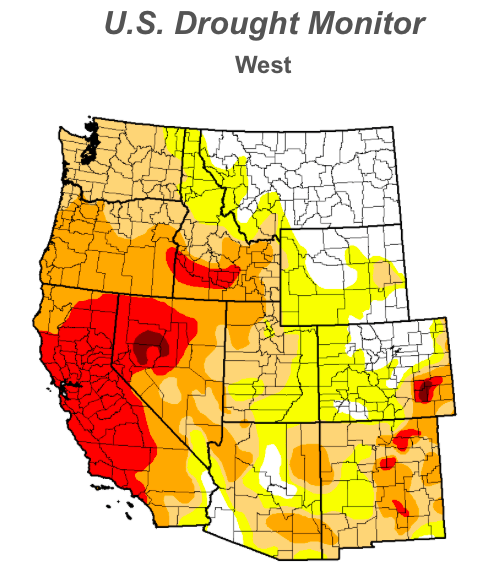
Love this tool, put out by the National Drought Mitigation Center.
Currently Oregon is listed as undergoing a Severe Drought — which is third, in a drought severity scale which goes to five.
I feel like they need to work on the wording of that last one, which sounds slightly laudatory. Hey, you’re exceptional! A few parts of Nevada and the midwest are exceptional.